Audrey Hepburn’s Film Style: Why the Silhouette Still Works
Look beyond the little black dress to the shape, movement and collaborative costume work behind Audrey Hepburn’s enduring screen image.
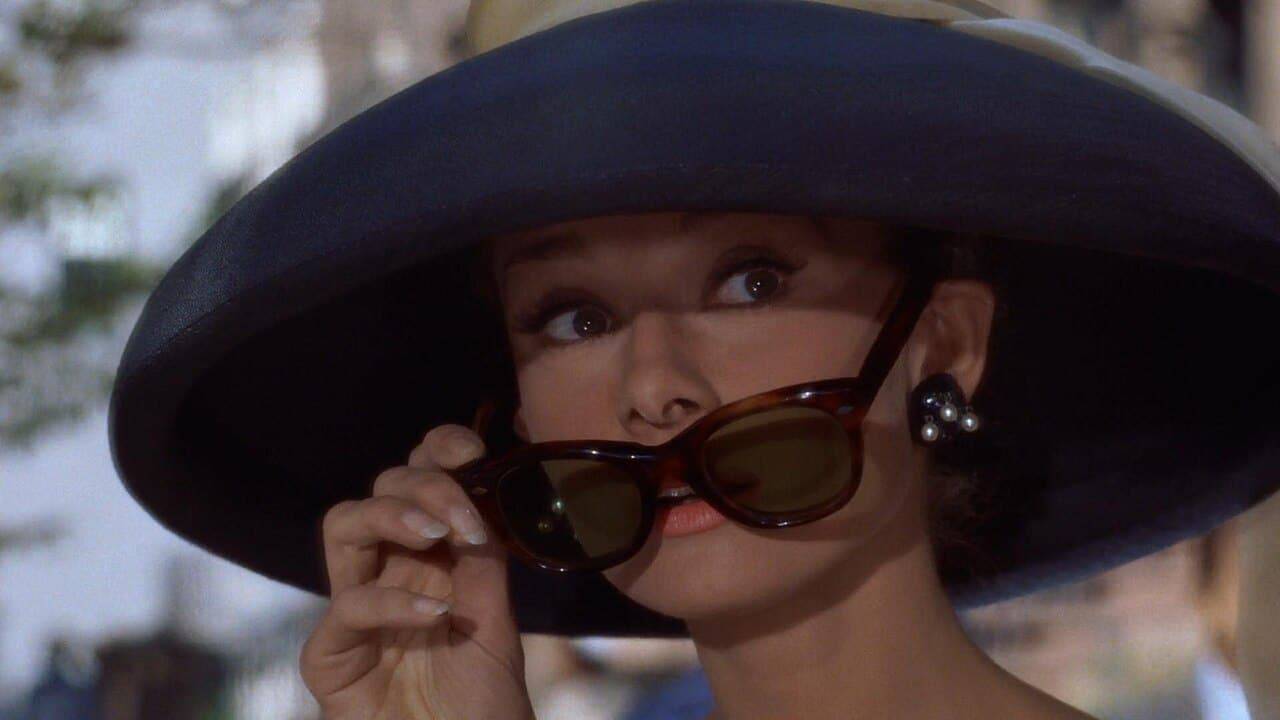
Audrey Hepburn's screen style is often reduced to a small collection of accessories: dark glasses, a neat neckline, a slim pair of trousers and a black dress. Those recognizable details are only part of the story. The stronger lesson is how a silhouette works with a performance. Clothes frame movement, suggest a character's circumstances and help a face remain the center of attention. Looking at that relationship is more interesting than treating a film still as a shopping list.
The silhouette matters more than one object
A clean outline can make a simple gesture easy to read on screen. A narrow trouser leg, an uncluttered shoulder or a clear neckline directs attention differently from a costume covered in competing detail. In Hepburn's familiar screen image, restraint often creates room for expression. The effect comes from the relationship between the clothes, the performer and the camera, rather than from an isolated garment having special powers.
That is a useful distinction when a modern outfit is described as Hepburn inspired. Copying a pair of sunglasses does not reproduce the posture, setting or character that made the original image memorable. A reference can be enjoyable without pretending the entire scene has been recreated.
Remember that film wardrobes are collaborative
Hepburn's association with Hubert de Givenchy is important, but costume history should not erase other contributors. The BFI's discussion of their collaborations notes the significance of Edith Head's work on Sabrina, for which Head received an Academy Award. A film costume is also shaped by the production around it: fittings, continuity, lighting, movement and the demands of a scene.
This makes a more rewarding question than simply asking which designer owned the look. What did the clothing need to communicate at that moment? Was the character being introduced, transformed or placed in contrast with another world? Those are storytelling decisions as well as fashion decisions, and they help explain why a wardrobe can remain memorable long after a trend changes.
Distinguish a character from the person playing her
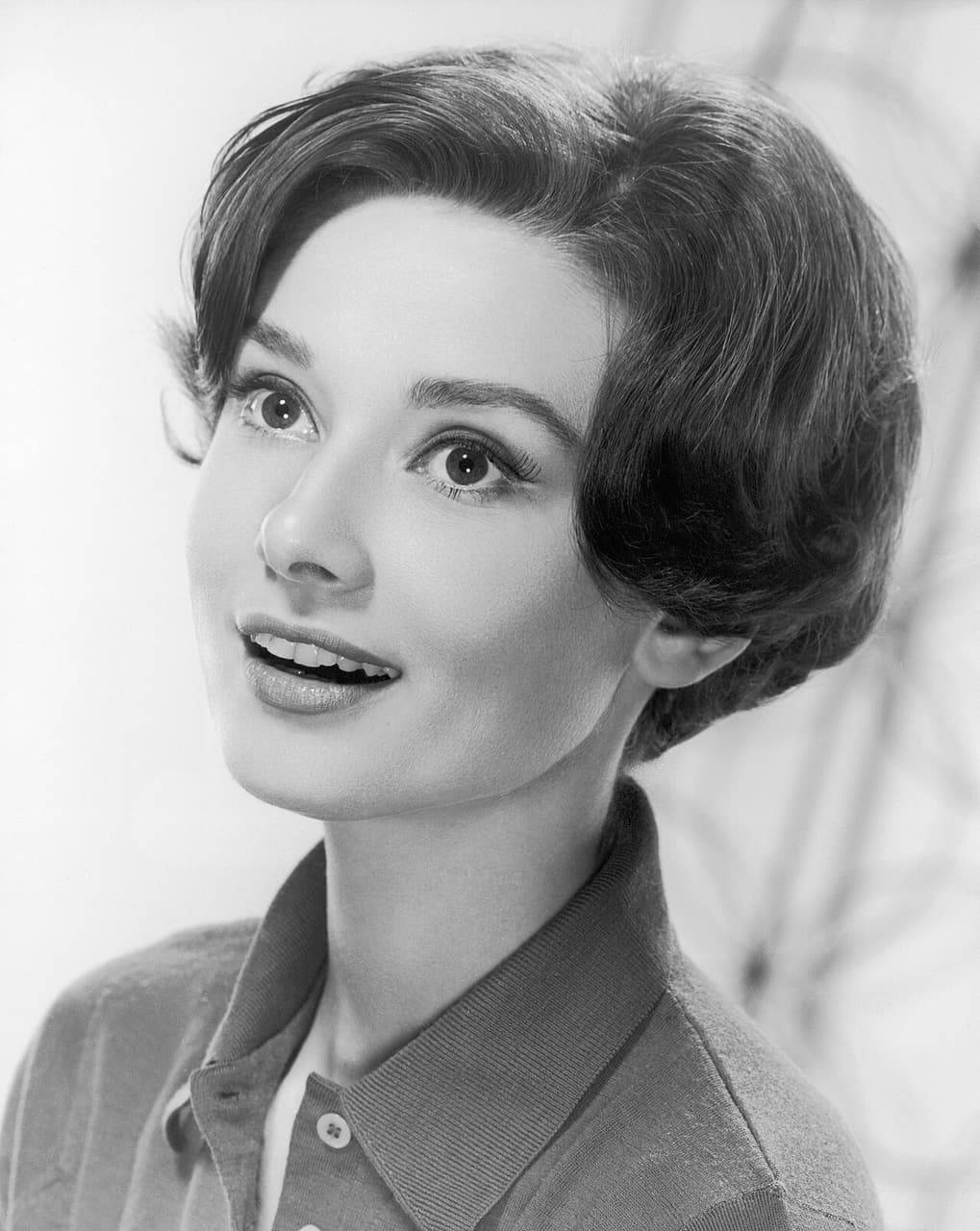
A publicity portrait, an appearance away from the set and a still from a film are different kinds of evidence. They may all contribute to a star image, but they should not be presented as interchangeable records of someone's everyday life. Holly Golightly, for example, is a fictional character, not a complete account of the actress who played her.
The distinction also improves the way we discuss clothing. A costume can express a character's ambition or vulnerability without proving that the performer shared those feelings. Admiring the visual result does not require inventing a private explanation for why Hepburn wore a particular item outside the documented context.
Watch the clothes in motion
Still photographs make outfits easy to collect, but movement supplies information that a single frame cannot. Notice how a garment behaves as the performer turns, sits or crosses a room. Does the outline remain clear? Is an accessory part of the action or simply a decorative finish? A costume that looks understated in a photograph may be doing precise work in a scene.
You can bring the same curiosity to your own wardrobe without trying to imitate a star's body or circumstances. Sit down in a jacket, walk in the trousers and see whether the clothes support the day you actually have. Comfort and movement are part of the visual result, not a practical concern that begins only after style has been decided.
Look at proportion rather than strict rules
A cropped length, a fitted top or a simple flat shoe changes the balance of an outfit according to what surrounds it. None is a universal instruction for every person. The useful exercise is to notice the overall shape and decide which part interests you. You might like an uncluttered neckline, a limited color range or the contrast between tailored and relaxed pieces.
Our guide to building a smaller wardrobe around colors you wear takes that adaptable approach. Choose an idea that fits your existing clothes rather than buying a costume's worth of items to reproduce a photograph. A visual reference works best when it becomes a tool for your own choices.
Leave room for the work beyond the image
Hepburn's public life also included sustained humanitarian work. UNICEF records her service as a Goodwill Ambassador from 1988 to 1993 and her field visits and advocacy for children. That history deserves attention in its own right, rather than being added as a decorative final sentence to a discussion of elegance.
A recognizable image can help a public figure attract attention, but it is the documented work that gives that attention substance. Remembering both the films and the advocacy produces a fuller account than treating a person as a set of timeless style instructions.
Use the reference with curiosity
When you encounter another Hepburn-inspired image, look for its source and setting. Then ask what actually makes the composition appealing: the line of the clothes, the contrast, the movement or the relationship to a character. Those observations are specific enough to be useful and flexible enough to travel beyond one famous outfit.
The enduring interest of Hepburn's film style is not that everyone should dress alike. It is that a clear visual idea, carefully fitted to a performance, can remain legible across generations of changing fashion.