Grace Kelly’s Film Career Beyond the Fairytale
Before the royal title, Grace Kelly built a compact and varied film career. Revisit her performances, screen presence and 1955 Academy Award.
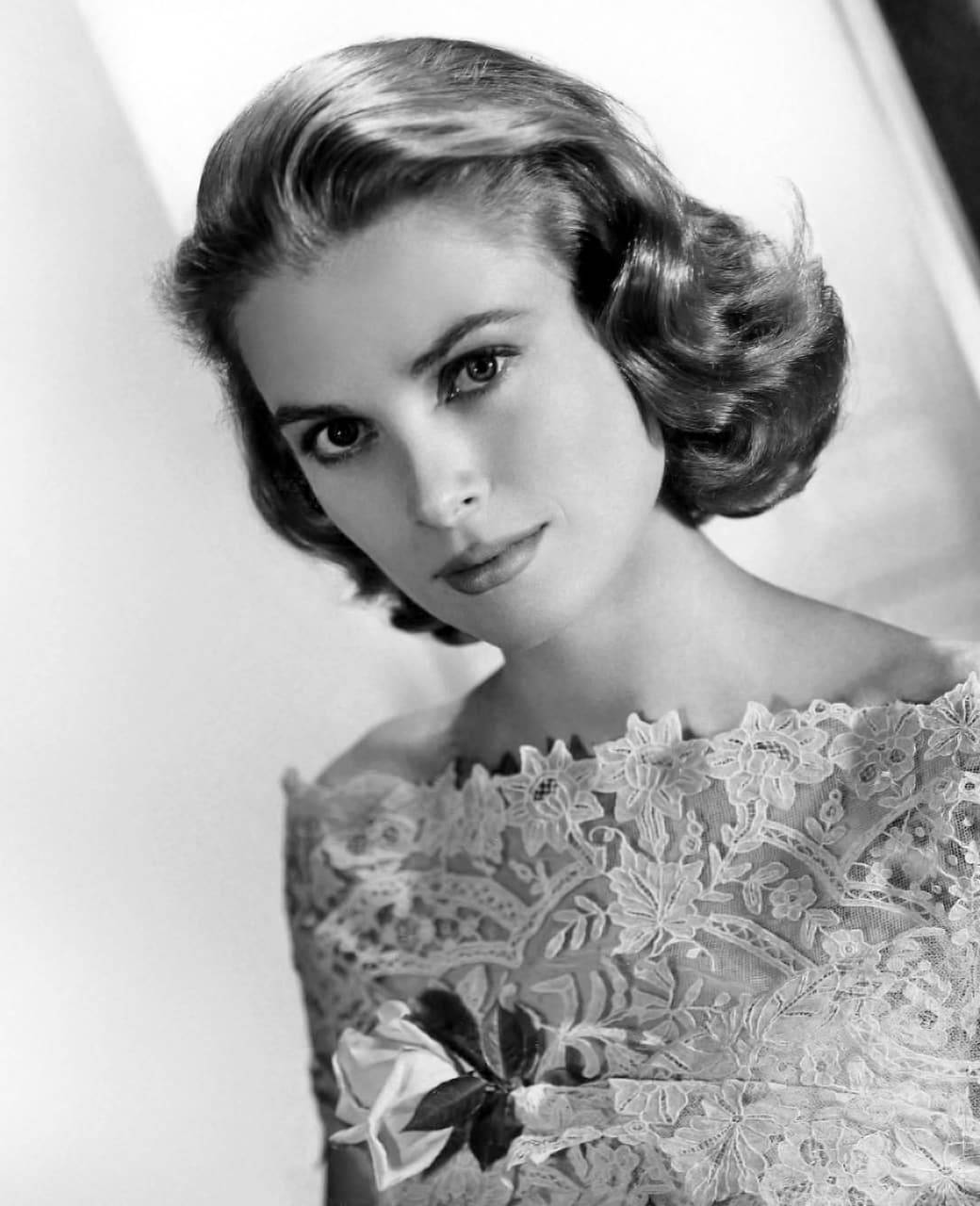
Grace Kelly's marriage and royal title often dominate the way her life is remembered, but the films offer another starting point. Her screen career was relatively brief and included suspense, drama and polished comedy. It also brought an Academy Award for The Country Girl at the 1955 ceremony. Looking at the work before treating the life as a fairytale makes her composure, timing and shifts in screen image easier to appreciate.
Start with the performance rather than the biography
A famous life can make it tempting to read every character as a preview of what happened to the actor later. That is a limited way to watch Kelly. Her roles belong to different stories and demand different relationships with the people around her. The useful question is what she does within a scene: how she listens, where she places emphasis and when she lets a reaction remain small.
A restrained performance is not automatically an absence of work. In a close-up, a pause or a change of attention can carry information that would be lost in a broad gesture. Watch the rhythm of an exchange rather than waiting only for a dramatic speech to indicate that acting is happening.
Rear Window gives her more than an entrance
Alfred Hitchcock's Rear Window was released in 1954 and features Kelly alongside James Stewart. Her character's elegance is an important part of the film's visual language, but the performance is not limited to presenting beautiful clothes. The relationship between a confined observer and a woman able to move into the wider space gives her actions a distinct role in the suspense.
Without reducing the film to a plot summary, notice how appearance and practical initiative can be placed in tension. A character first framed through glamour can also become active within the story. That contrast is one reason the performance rewards attention beyond a collection of still photographs from the wardrobe.
The Country Girl offers a different register
The Academy's record for the 1955 ceremony identifies Kelly's leading-actress win for The Country Girl. The role is a useful reminder that a star image does not contain every performance available to an actor. A quieter or less polished presentation can change what an audience expects to see, but the result still depends on the work of the performance rather than the mere absence of glamour.
When comparing roles, listen as well as look. The pace of a response, the pressure in an exchange and the way an actor holds a silence can tell you more than a simple before-and-after description of makeup or clothing. A different appearance is one tool within a larger dramatic construction.
Costume frames the character without replacing her
Kelly's film image is closely associated with carefully composed clothes. Costumes can establish social position, create contrast or make an entrance legible before a line has been spoken. Their effect becomes richer when you also notice what the performer does inside them. Does the character seem comfortable, defensive, playful or determined in that moment?
Those are questions about the scene, not claims about Kelly's private feelings. A production combines costume, lighting, writing, direction and performance. Admiring the finished image does not require assigning all of its meaning to a single garment or assuming the actress personally chose every element.
Compare scenes with different dramatic jobs
A useful way to revisit a familiar actor is to choose two short passages that ask for different skills. Compare an introduction with a difficult conversation, or a social exchange with a moment of suspense. Watch how the timing and physical stillness change. You may notice a more varied screen presence than the word elegant suggests by itself.
Avoid turning the exercise into a contest in which one film must prove another worthless. A star can be effective in several registers. A compact film career can also contain meaningful changes in pace, setting and the kind of attention a character receives from the camera.
Keep historical images in their proper setting
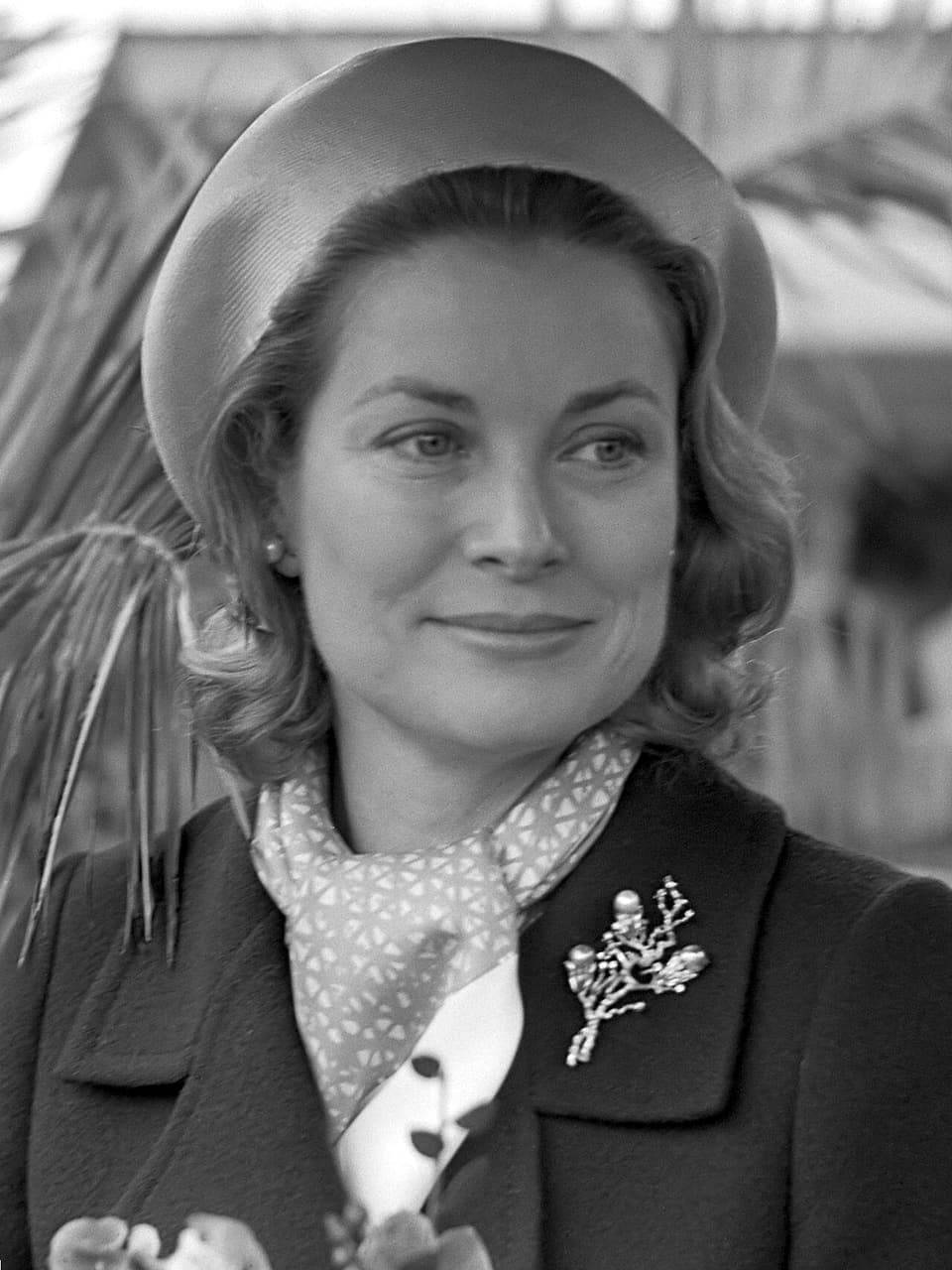
A studio portrait, a film still and a later public appearance may look equally polished while documenting different circumstances. Dates and captions help preserve that distinction. If a photograph accompanies a discussion of her film career, it should not quietly be presented as a still from a movie when it records another occasion.
The same care is useful when looking at Katharine Hepburn’s tailored style. A recognizable image becomes more interesting when its purpose is clear. What was made for a character, what was used for publicity and what belongs to a public appearance are related questions, not interchangeable labels.
Make room for the films in the memory
Kelly's later public role is part of her history, but it should not obscure the professional work that came before it. The award record and the films provide specific anchors for a discussion that might otherwise drift toward a general story of glamour.
Begin with a scene, notice its practical demands and watch the choices that make it work. Grace Kelly's film career becomes more substantial when it is approached as acting to be seen and heard, rather than a decorative prelude to a different chapter of her life.