Katharine Hepburn and the Power of Trousers
Katharine Hepburn’s tailored trousers were part of a distinct public style. Explore their proportions, movement and relationship to her screen wardrobe.
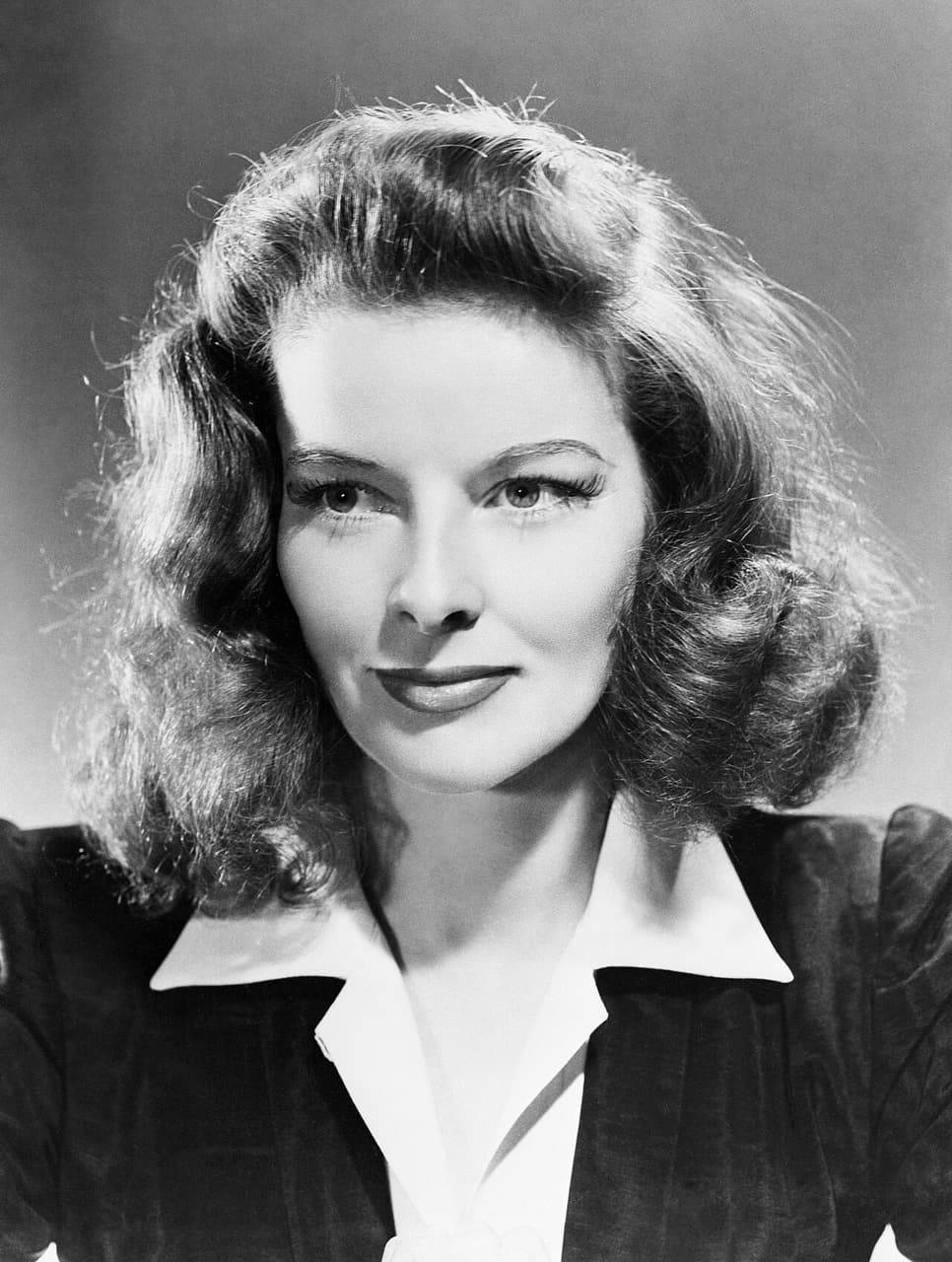
Katharine Hepburn's trousers are memorable because they appear to belong to a complete way of dressing, rather than a one-off fashion gesture. Tailored shapes, jackets and a practical ease became part of her recognizable public image. The surviving wardrobe also reveals something broader: the difference between clothes worn by a performer as herself and costumes built for particular characters. Looking at both gives a richer account of the style than calling every pair of wide trousers a Hepburn look.
A signature that can be studied in real garments
The Kent State University Museum received Hepburn's collection of film, stage and television costumes in 2008, along with clothing used for publicity. Its exhibition highlighted her signature combination of tailored beige trousers and linen jackets. That material record makes the discussion more specific than a mood board assembled from uncertain photographs.
Garments reveal construction, scale and wear in ways a publicity image may not. A jacket's shape, the weight of a trouser fabric and the way an outfit was designed to move are practical details. They can help explain the impression of ease without turning that impression into an unsupported claim about everything the wearer thought or felt.
Trousers changed the outline of the star image
Hepburn became associated with trousers during a period when women wearing them could still challenge expectations. The Frick's presentation of the costume exhibition places that distinct style alongside her long performance career. The clothing offered a clear visual alternative to a narrow definition of how a female star should appear.
The effect was not simply that trousers were present. Their proportion, the way they met a jacket or shirt and the space they allowed for movement shaped the overall image. A tailored outfit can look decisive without needing elaborate decoration. That is a design observation rather than a rule about which clothes make a person confident.
Watch how proportion does the work
Wide or straight trousers create a different balance depending on the rise, length and volume of the rest of the outfit. A jacket that ends at one point can emphasize a different line from a tucked shirt or a longer layer. These relationships are more useful to notice than trying to identify one exact garment that supposedly unlocks the entire style.
For a modern wardrobe, begin with trousers that fit comfortably when you sit and walk. Then try the pieces you already own around them. Notice whether you prefer an uninterrupted line, a visible waist or a stronger contrast between top and bottom. The exercise is about finding a useful balance for your clothes and activities, not reproducing another person's body or circumstances.
Practicality and polish can coexist
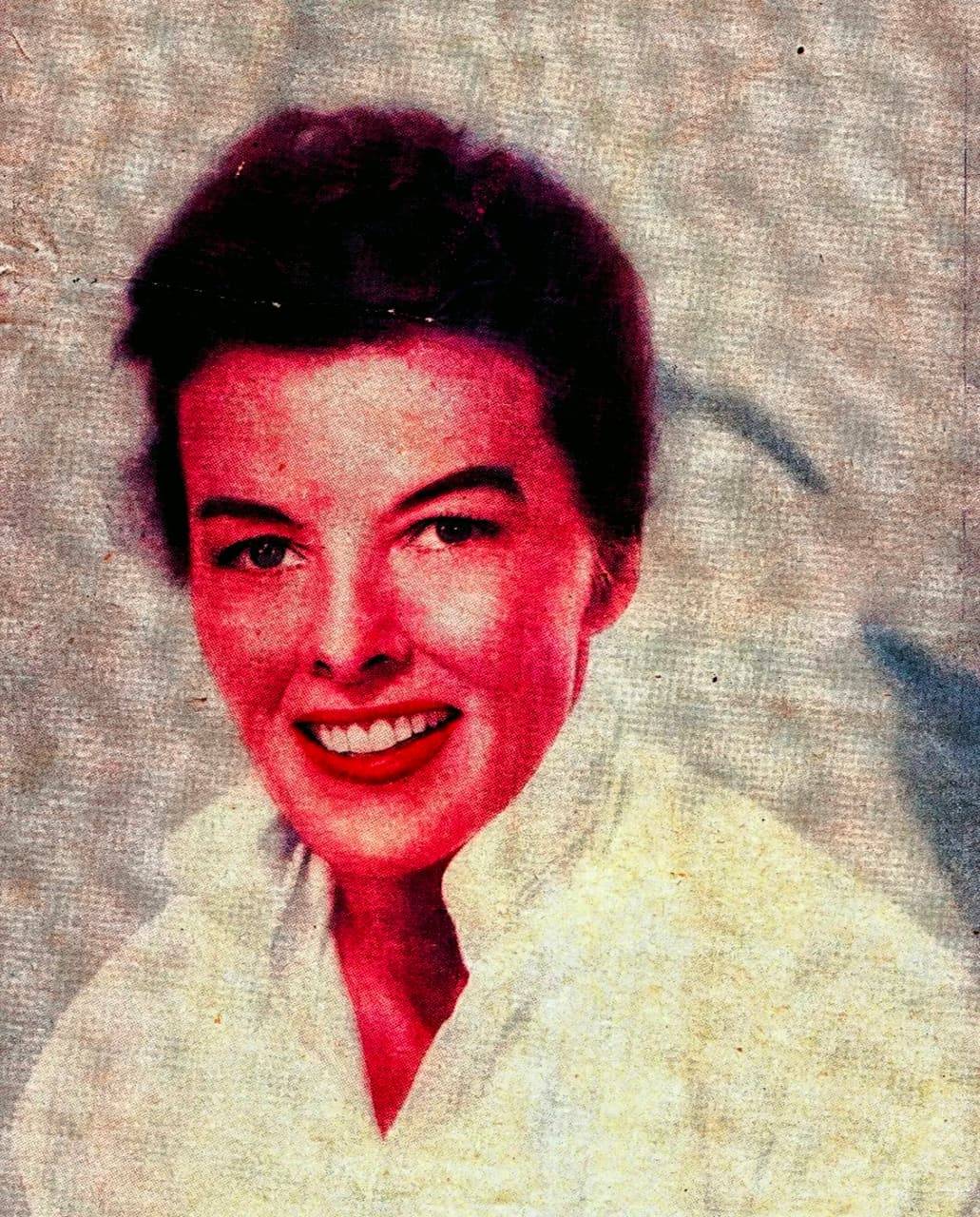
Tailoring is sometimes discussed as though it belongs only to formal clothing. Hepburn's recognizable combinations suggest a different possibility: clothes can have a clear structure while still looking ready for movement. A simple jacket, an uncluttered shirt and well-cut trousers can communicate an intentional shape without requiring a large number of accessories.
The practical lesson is to assess the whole day. If a jacket feels restrictive whenever you reach forward, its attractive outline in a mirror is only part of the experience. If trousers need constant adjustment, the outfit may not deliver the ease that first attracted you. Movement is not separate from style; it changes the way the clothes are seen.
Separate personal style from character costume
An actor's wardrobe contains more than a single public identity. Hepburn played different roles across stage and screen, and a costume made for one character should not automatically be read as her preferred everyday dress. The museum collection makes that distinction visible by bringing together items with different professional purposes.
When viewing a photograph, look for the title, production or occasion. A publicity appearance and a dramatic scene may share a performer while communicating very different things. Our article on Audrey Hepburn’s film style uses the same distinction: the person, the character and the finished image are connected, but they are not identical.
Borrow a principle rather than a costume
A limited color range, a strong trouser line or a relaxed jacket can each become a useful reference. You do not need to buy every element at once. Try one change with your existing wardrobe and see whether it makes getting dressed easier. The most successful reference is often the one that becomes almost invisible because it fits naturally into your life.
If color is the part you find difficult, our small-wardrobe color guide offers a way to begin with the clothes you already reach for. A signature does not require every outfit to be identical. It can be a recurring preference for proportion, comfort or contrast.
Let the collection complicate the legend
The appeal of an iconic image is its simplicity: one glance and a familiar person comes to mind. A real wardrobe is more varied. Looking at costumes, publicity clothing and tailored everyday combinations together allows the image to become more interesting rather than less recognizable.
Hepburn's trousers remain a useful starting point because they invite attention to line, movement and deliberate choice. Their lesson is not that every wardrobe needs the same silhouette. It is that a clear relationship between clothes and the way they are worn can become more memorable than a succession of decorative details.