How to Read Clothing Care Labels Before Laundry Day
Read the care label before choosing a wash cycle—or buying the garment. Learn why fabric content alone cannot describe the needs of a finished piece.
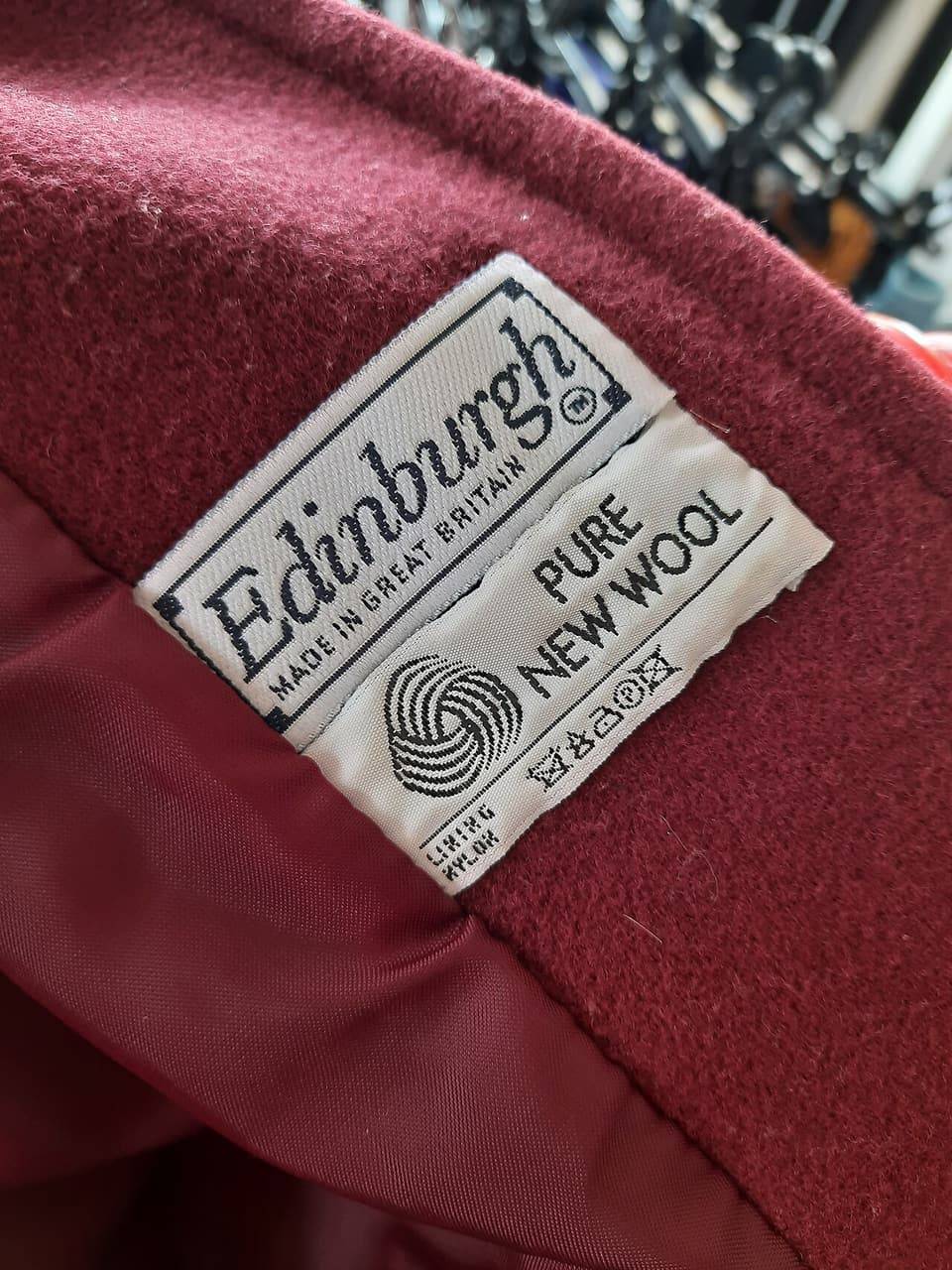
A care label is most useful before laundry day becomes urgent. It can tell you whether a garment fits the routine you actually have, as well as how to clean it. Fabric content alone is not enough: lining, trim, dyes, structure and decorative elements can affect the care of the finished piece. Reading the full label helps you avoid turning one familiar fiber name into an assumption about the whole garment.
Read care instructions before buying
When comparing two similar pieces, check how each one needs to be cleaned and dried. A garment that requires specialist care may be a good choice for one wardrobe and an awkward choice for another. The question is whether the routine makes sense for the way you expect to wear it, not whether one method is automatically superior.
Think about frequency. An item worn occasionally has a different care pattern from a shirt used several times a week. Consider access to suitable drying space, time and any specialist service the label requires. A clear understanding before purchase can be more useful than searching later for a shortcut that contradicts the instructions.
Identify the finished garment, not just the main fabric
A piece labeled with a familiar fiber can still contain a lining, padding, adhesive construction or trim that responds differently to washing and heat. The care instruction should be read for the item as a whole. Do not assume that advice for an unstructured fabric sample applies unchanged to a tailored jacket made from it.
The Federal Trade Commission's United States guidance explains why manufacturers need a reasonable basis for the care instructions they provide. For a wearer, the practical lesson is straightforward: the label is based on more than the first fiber listed. Follow the garment's instruction rather than substituting a broad rule found for a similar-looking material.
Look at washing and drying together
A machine-wash instruction does not mean every drying method is acceptable. Heat and mechanical movement can affect a garment differently, so read the drying information before starting the cycle. A piece may need reshaping or a particular position while drying. Know where it will go before it emerges wet from the machine.
If symbols are used, consult a reliable guide for the system shown on the label. Dots, lines and crossed-out symbols have specific meanings; they are not decorative variations. Take a clear photograph if the label is small or difficult to read. Guessing at a half-visible symbol is not a good reason to choose the hottest or fastest setting.

Treat temperature and process limits as limits
A stated washing temperature does not mean that increasing it slightly will clean the garment better without consequences. Likewise, a gentle-process instruction concerns the mechanical treatment as well as the water. Use the combination the label requires and the machine's own explanation of its programs.
Lower heat can be useful where permitted, but do not assume that a cold cycle makes every otherwise unsuitable washing method safe. A structured or sensitive garment may still be affected by agitation or immersion. Read the whole instruction rather than isolating the one part that seems easiest to follow.
Check bleaching, ironing and professional care
Bleaching and ironing information can matter even when washing looks straightforward. A garment may tolerate one process but be damaged by another. Look for explicit restrictions and do not assume that a familiar household product is appropriate for every white or pale piece. When professional cleaning is specified, tell the cleaner about known stains or damage rather than hiding the history of the garment.
For ironing, match the permitted heat and any other instruction to the fabric and construction. Test only in a way consistent with the care guidance, using a suitable inconspicuous area where appropriate. An iron should not become a last attempt to reverse damage caused by an unsuitable drying cycle.
Plan stain treatment before applying a product
Identify the garment's care requirements and read the treatment product instructions. Rubbing an unfamiliar cleaner into a visible area can make a small mark into a larger problem. Be cautious around contrasting colors, embellishments and delicate surfaces. If the piece is valuable or the stain is uncertain, appropriate specialist advice can be more practical than escalating through several improvised treatments.
Avoid layering different cleaning products in the hope that one will work. Apart from the garment's response, products have their own use instructions. A simple, informed decision is better than combining methods that were never intended to be used together.
Keep the label useful over time
If a label is uncomfortable and you plan to remove it, preserve its information first. Photograph the care instruction and enough of the garment to identify it later. A collection of anonymous label photographs is less useful than a record you can match to the correct item. Keep any spare buttons or special instructions with the same reference.
For a smaller, easier-to-manage wardrobe, care requirements belong alongside fit, color and how often you wear a piece. Our wardrobe color guide starts with clothing you already use; knowing how to maintain it makes that existing wardrobe more dependable.
Reading care labels is a small habit with a practical payoff. It connects the way a garment is made with the way it will live in your home, before a rushed laundry decision has to do that work for you.