Josephine Baker: Performance, Style and a Public Life
Josephine Baker’s public image combined performance, deliberate theatrical style and documented wartime and civil-rights work. A closer look at the full career.
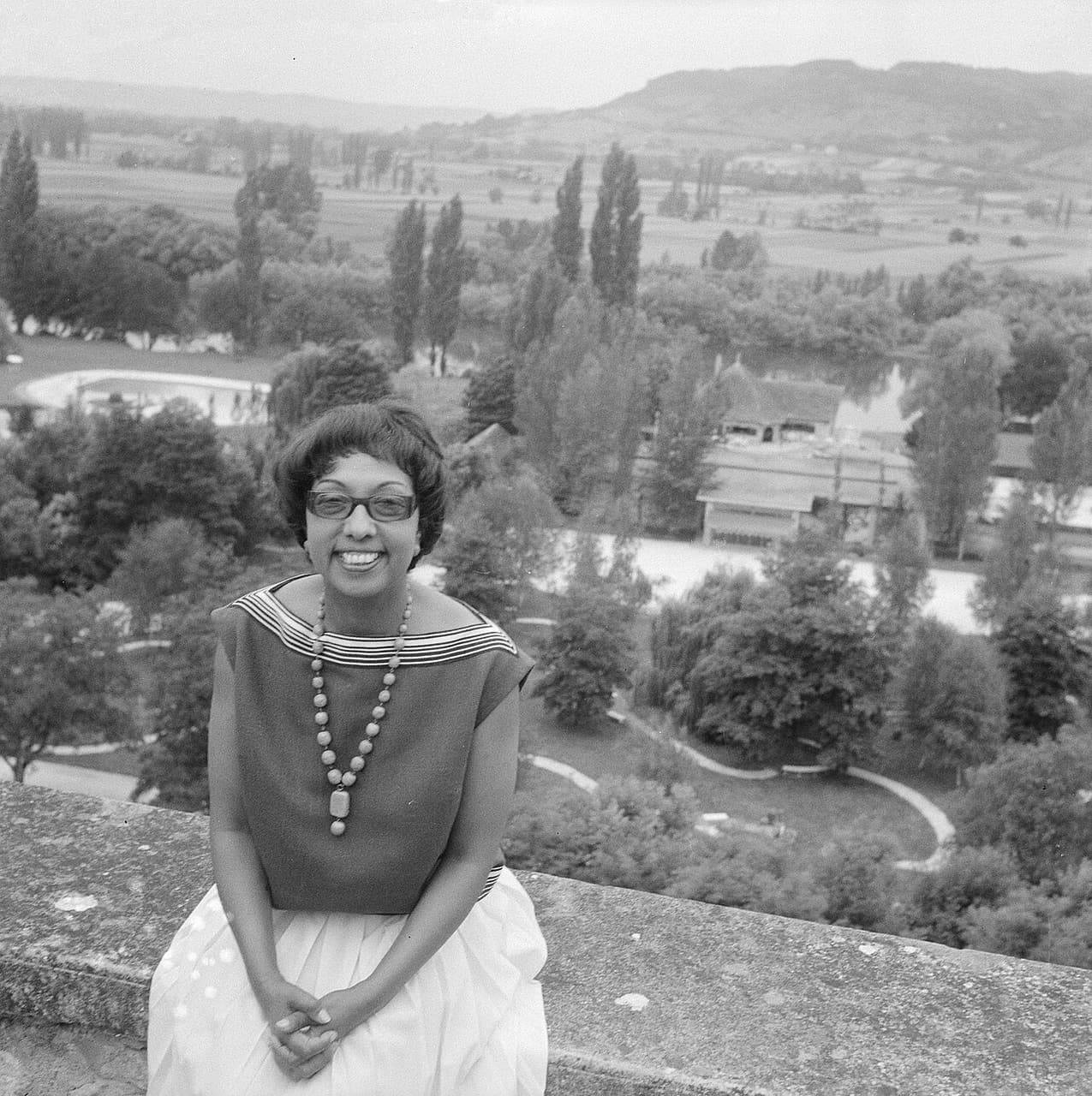
Josephine Baker's image is so recognizable that a single costume can sometimes stand in for an entire life. That shortcut misses the scale of her work. Baker was a performer whose career crossed national borders, a public figure involved in wartime resistance and an advocate against racial discrimination. Her theatrical style belongs in that history, but it should open the story rather than close it. The interesting question is how a highly visible stage identity coexisted with substantial work beyond the stage.
Begin with the performer and the setting
Born in St. Louis in 1906, Baker became a major figure in Parisian entertainment after arriving in France in the 1920s. The change of setting matters. The opportunities, racial stereotypes and expectations surrounding a Black American performer differed across the places where she worked. Her success cannot be explained simply by calling Paris glamorous or assuming fame removed the constraints of the period.
When looking at an early photograph or poster, ask who made it and what it was intended to sell. Publicity is useful evidence of a constructed image, but it is not a neutral summary of the person. That distinction becomes particularly important when historical entertainment relied on exoticizing ideas about race and identity.
Theatrical style was part of the work
A stage costume needs to communicate at a distance and support a performance. Shape, movement and contrast can be more important in that setting than the details that matter in an everyday outfit. Baker's visual presentation drew attention, but the attention existed alongside dance, music, timing and the practical demands of appearing before an audience.
Reducing the career to one famous costume therefore confuses a memorable symbol with the complete performance. A better way to look is to consider how the image functions: what the audience can read quickly, how the performer moves within it and what assumptions the surrounding publicity encourages. Those observations preserve the visual interest without pretending a costume tells us everything.
A career can cross several kinds of stage
Baker's work included dance, singing and film. The song J'ai Deux Amours became closely associated with her public identity, while her screen appearances placed that identity in another medium. Each form created a different relationship with an audience. A song heard repeatedly, a live performance and a film image do not circulate in the same way.
This helps explain why historical celebrity should be studied through more than a portrait. A poster may emphasize one kind of attraction, while a performance recording reveals another skill. Looking across the surviving material gives a richer view than asking a single picture to prove the full extent of a career.
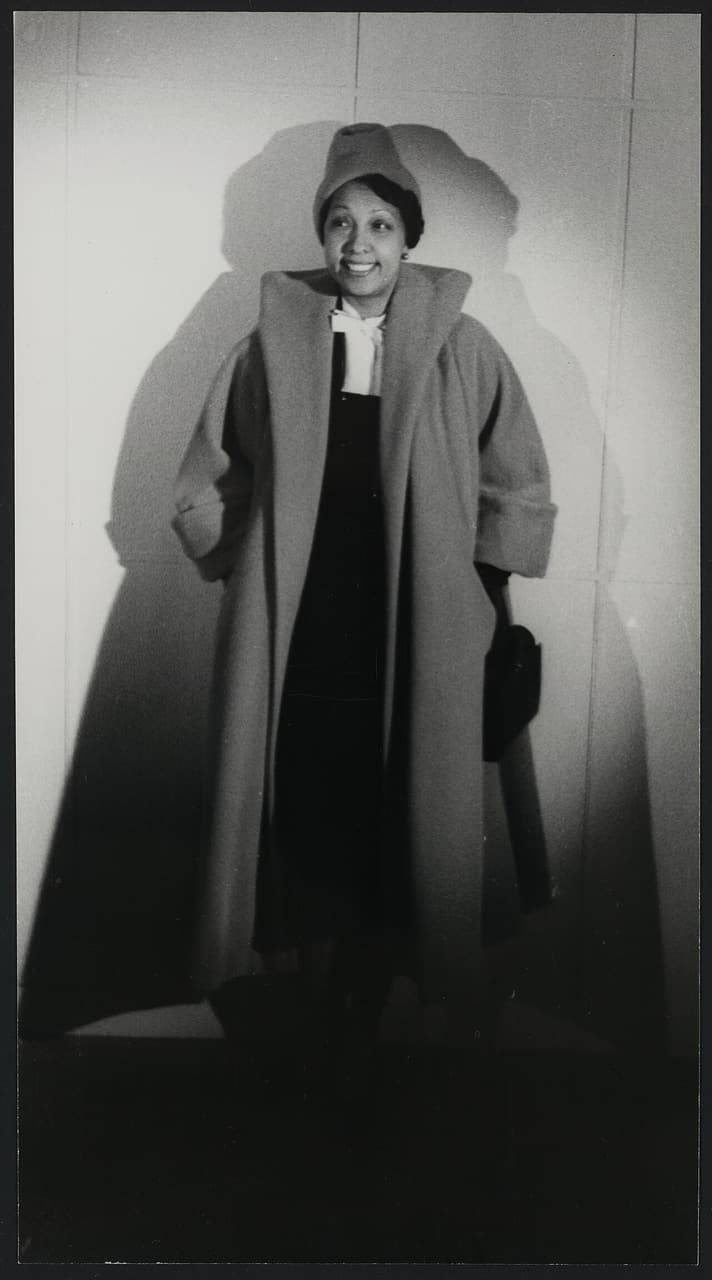
Wartime activity belongs in the main narrative
Baker's documented work with the French Resistance during the Second World War is an essential part of her public life. It should not be treated merely as a surprising twist added to make a fashion profile more dramatic. The history concerns specific wartime responsibilities and risks, not a general claim that being famous automatically made every activity heroic.
The most useful account keeps the documented actions and their context in view. Where a colorful anecdote is repeated without a clear source, it deserves more scrutiny than a broad summary from a reliable historical institution. Admiration is stronger when it rests on evidence rather than increasingly elaborate retellings.
Civil-rights advocacy was another public commitment
Baker opposed segregation and spoke at the 1963 March on Washington for Jobs and Freedom. Her involvement connects the story back to the United States as well as to France. The National Women's History Museum places her career within that broader history of using a public platform against discrimination.
This is a reminder that a star image can carry several kinds of meaning at once. Audiences may recognize the entertainer while hearing a message about rights and belonging. The clothes and the reputation can make the speaker visible, but the substance of the speech still deserves to be heard rather than reduced to a photograph of the occasion.
Look carefully at historical photographs
Dates and captions help prevent very different moments being blended together. A performance image, a publicity portrait and a photograph connected to public service have different purposes. Do not assume that every elegant portrait records a stage costume or that every uniformed appearance belongs to the same event.
The same method is useful when reading about Hedy Lamarr’s work beyond the screen: identify the documented activity, keep the chronology clear and resist turning a complex life into one catchy label. A compelling career does not become less interesting when its details are handled precisely.
Keep the person larger than the symbol
Baker's enduring image is an entry point into performance history, but her life rewards a wider view. Notice the craft of appearing before an audience, the historical conditions that shaped opportunity and the public commitments that extended beyond entertainment. None needs to erase the others.
That approach also changes how style is discussed. Instead of collecting a single famous look, we can ask what visibility allowed a performer to do, how she navigated it and which documented actions deserve to remain part of the story.