Three Oscar outfits that made red-carpet fashion memorable
Björk, Lupita Nyong’o and Billy Porter offer three different lessons in silhouette, colour and the meaning of an Oscar-night outfit.
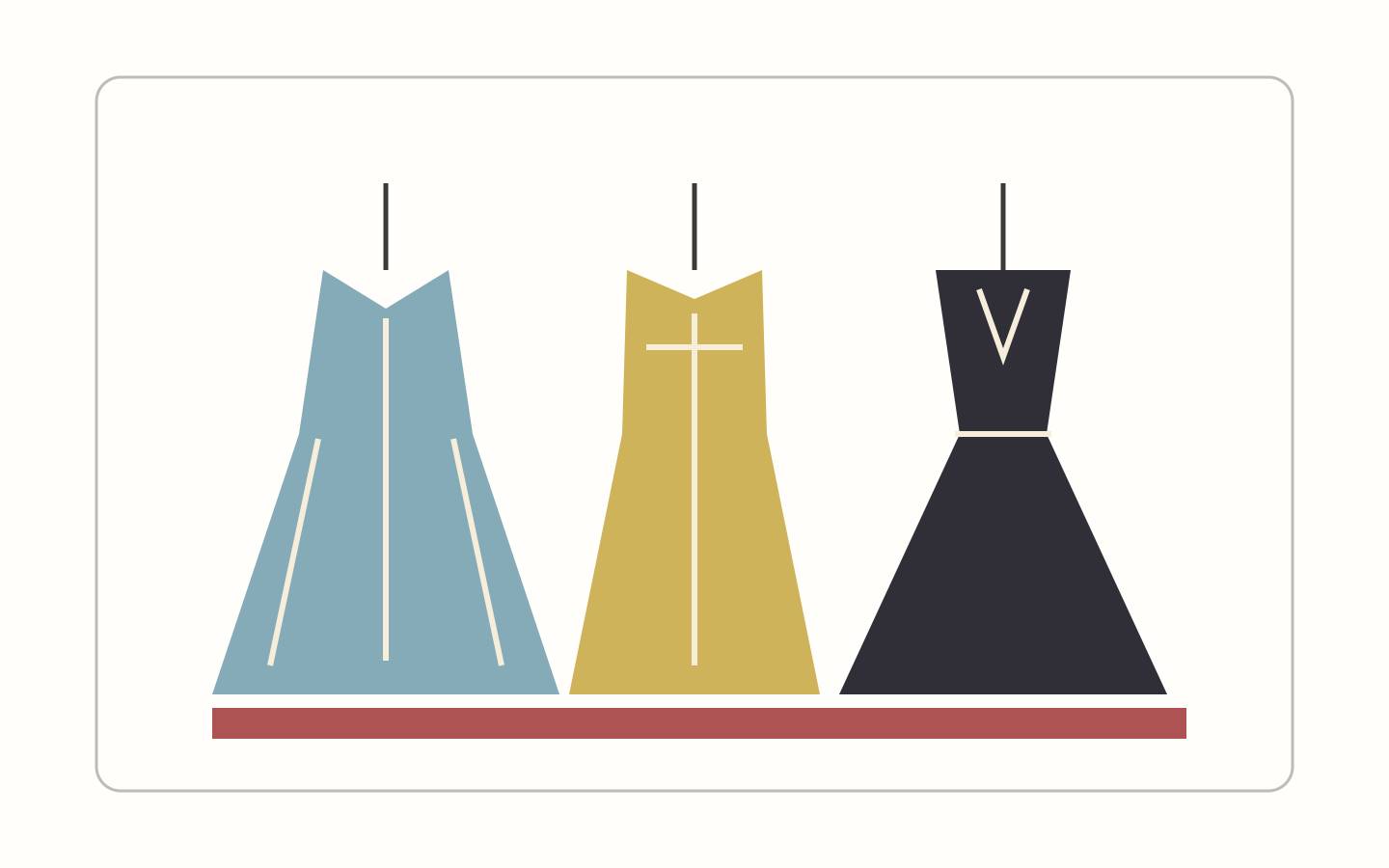
An Oscar outfit can remain familiar long after the evening’s speeches fade from memory. Sometimes the reason is an unusual silhouette; sometimes it is colour, movement or a choice that challenges expectations. There is no objective formula for the best red-carpet look. These three examples are useful because each gives us a different way to look at clothes, beyond the usual verdict of whether an outfit was a hit or a miss.
Björk: a silhouette with its own character
Björk’s 2001 swan dress, designed by Marjan Pejoski, is instantly recognisable through its bird-shaped form. A conventional evening gown often directs attention towards fabric, fit or jewellery. Here, the garment also reads as a character: the swan shape becomes part of the wearer’s outline. It is a visual idea that can be understood before every detail is visible.
The dress also travelled beyond red-carpet commentary. The Museum of Modern Art included Pejoski’s Swan Dress in its 2015 Björk exhibition, alongside other costumes from her career. That museum context offers another way to consider it: as part of a musician’s wider visual language. You do not have to want a swan dress yourself to appreciate how decisively it commits to an idea.
Lupita Nyong’o: colour and movement
At the 2014 Oscars, Lupita Nyong’o wore a pale-blue Prada gown. In its report from the event, Spanish broadcaster RTVE described pleated silk, a full skirt, crystal embellishment and a V-shaped neckline at both front and back. Those details work at different distances: the colour and outline register first, while the pleats and decoration reward a closer look.
The dress provides a useful example of how several gentle elements can produce a strong overall impression. Its spacious skirt contrasts with the defined waist, and the pleating gives the fabric a sense of rhythm. When looking at an evening outfit, consider how it might behave as its wearer walks, turns or climbs steps. A still image records one arrangement of fabric; the design has to live through many more.
Billy Porter: tailoring meets a ball gown
For the 2019 Oscars, Billy Porter wore a custom Christian Siriano look combining a tailored tuxedo jacket with a full velvet gown. In his own account for Vogue, Porter connected the choice to self-expression and to challenging expectations about masculinity. The wearer’s explanation matters here: it adds context that cannot be supplied by simply describing the fabric.
The outfit also makes its point through a clear visual structure. A familiar formal jacket leads into a dramatically different lower silhouette. Both parts belong to the language of occasion dressing, making their combination especially legible.
Looking beyond a ranking
These outfits suggest three questions worth taking to any red-carpet photograph. What is the first shape you notice? How do colour and fabric guide your eye? And what has the wearer actually said about the choice? The last question helps separate an informed reading from a story invented around a photograph.
There is also a practical styling lesson here. You can borrow an idea without reproducing an entire celebrity outfit: a single unexpected colour, a contrast between structured and flowing pieces, or one accessory with a distinctive shape. Memorable dressing does not require every element to compete for attention. It requires a relationship between the elements that feels worth looking at again.